



Market Trends, Materials, Technology & Outlook for 2026
1. Executive Summary
The mini and small safe industry in 2025 reflected a mature but actively evolving market shaped by changing lifestyles, the prevalence of e-commerce, and rising expectations around fire protection, access convenience, and verified performance claims.
Mini safes and small safes are now widely adopted by homeowners, renters, and apartment dwellers for protecting documents, valuables, digital media, and controlled personal items. Demand is driven less by high-security use cases and more by everyday risk mitigation, including fire, water exposure, and unauthorized access in shared or compact living spaces.
From a product standpoint, manufacturers in 2025 have shifted away from simply increasing steel thickness and weight. Instead, industry innovation centers on material efficiency, reinforcing critical areas such as doors, locking mechanisms, and pry points while managing shipping costs and online fulfillment constraints. Fire-resistant insulation materials have become thinner and more efficient, allowing safes to meet 30- and 60-minute fire ratings without excessive bulk.
Electronic keypad locks remain the dominant access technology, while biometric (fingerprint) safes continue to grow in popularity for quick-access use cases. However, many biometric models now include redundant entry methods, reflecting industry recognition that reliability matters as much as convenience. Hybrid locking systems are increasingly standard rather than premium features.
Certifications play a growing role in consumer trust. UL and ETL fire ratings remain the most recognized in the United States, while international standards such as KS and RISE are appearing more frequently as manufacturing becomes globally distributed. At the same time, the absence of standardized burglary ratings in most mini and small home safes places greater importance on transparent construction details and realistic performance expectations.
Looking toward 2026, the mini and small safe market is expected to remain stable, competitive, and highly segmented by use case. Consumers will benefit most from understanding how materials, access technology, certifications, and design tradeoffs align with their specific needs.
2. Market Overview: Mini & Small Safes in 2025
The mini and small safe market in 2025 reflected a mature but evolving segment of the broader residential and light-commercial security industry. While total unit growth remained moderate, product mix, feature adoption, and material complexity continued to shift as manufacturers responded to consumer expectations, regulatory pressures, and global supply-chain dynamics.
2.1 Market Size and Growth Dynamics
In 2025, the mini and small safe category remained one of the most resilient segments of the consumer safe market. Demand was supported by a combination of household security awareness, increased urban and renter populations, and continued concern over fire, water damage, and theft.
Growth in this segment is not primarily driven by new household formation, but rather by replacement purchases and feature-driven upgrades as individuals replaced their older mechanical safes with models offering improved access control, fire ratings, or more compact designs suited to modern living spaces.
Key growth characteristics observed in 2025 include:
- Strong demand for small and mini safes with a sub-1.0 cubic foot capacity, particularly for apartment and condo use
- Steady growth in fire-rated small safes
- Price sensitivity in entry-level products, with limited tolerance for cost increases driven by materials or tariffs
Through 2025 and into 2026, the majority of growth can be seen in value and mid-tier price bands, where many manufacturers compete on affordability instead of security.
2.2 Primary Use Cases Driving Demand
Mini and small safes in 2025 were purchased for a wide range of applications, but several use cases dominated consumer decision-making.
Home document protection remained the most common application. Birth certificates, passports, insurance documents, and digital media continue to be frequently cited as primary safe contents, driving demand for fire and water resistance.
Personal valuables - including jewelry, cash, and small electronics - represent a second major use case. In this category, ease of access and discretion often take precedence over extended fire ratings.
Firearm and controlled-item storage continued to influence product design in the US. Compact biometric and quick-access safes were frequently marketed for this use case, emphasizing speed and reliability over multi-hour fire protection.
Short-term rental and hospitality use emerged as a modest but growing niche. These applications favor lightweight, electronically secured mini safes that prioritize guest usability and resettable access codes.
Across all use cases, consumers increasingly expect multi-threat protection.
2.3 Product Segmentation
The competitive landscape in 2025 into 2026 is best understood through product tiers rather than brand hierarchies.
- Entry-level mini safes focus on basic steel construction and electronic or mechanical locks, often without certified fire protection.
- Mid-tier small safes combine steel shells with layered fire or water-resistant materials and digital or biometric access.
- Premium compact safes emphasize heavier construction, multiple theft deterrent features, and multiple entry methods.
Competition remains intense as manufacturers face pressure from rising material costs and tariffs.
2.4 Market Maturity and Competitive Implications
By 2025, the mini safe and small safe market began to exhibit characteristics of a mature consumer category: high brand proliferation, limited functional differentiation at lower tiers, and increasing emphasis on perceived value.
This maturity has been accompanied by incremental innovation rather than stagnation. Improvements in materials, biometric access reliability, and insulation efficiency suggest that the segment is transitioning from commoditization toward measured premiumization.
Manufacturers that succeed in this environment tend to:
- Clearly communicate protection capabilities
- Balance material choices with shipping and handling constraints
- Align product features with specific use cases rather than general claims
These dynamics set the stage for continued evolution in materials, technology, and supply-chain strategy as the industry moves into 2026.
3. Material Trends in Mini Safes and Small Safes (2025–2026)
Material selection has become one of the most important differentiators in the mini and small safe market. In 2025, manufacturers faced simultaneous pressure to improve perceived security, fire resistance, and durability while also managing weight, cost, and tariff exposure. As a result, material innovation in this segment is currently less about radical new substances and more about strategic combinations, layering, and optimization.
The trends observed in 2025 point toward continued refinement of steel construction and insulation systems heading into 2026.
3.1 Steel Construction
Steel remains the foundational material for nearly all mini and small safes. However, large e-commerce marketplaces such as Amazon have proliferated in-house brands in a category of small safe better described as a limited functionality lockbox – small boxes constructed out of metal and plastic with a simple lock. These safes provide little to no security and are therefore not included in the following assessment of steel usage. Regarding more traditional mini and small safes, the usage of steel is evolving. Rather than uniformly increasing wall thickness, many manufacturers are increasingly focused on targeted reinforcement, particularly at:
- Doors
- Locking bolt interfaces
- Hinge areas
- Pry points
This approach allows manufacturers to improve real-world resistance to casual forced entry while minimizing overall weight. It also allows interior space to be maximized without unduly sacrificing protection. Steel gauge specifications remain difficult to interpret for many consumers, reinforcing the importance of clear messaging around “reinforced” or “multi-layer” construction rather than raw thickness alone.
Looking into 2026, continued volatility in steel pricing is expected to reinforce this trend toward material efficiency rather than brute mass.
3.2 Fire-Resistant Insulation Materials
Fire protection remains a primary driver of material complexity in small safes. In 2025, most fire-rated mini and small safes relied on multi-layer insulation systems enclosed within steel shells.
The most common insulation materials include:
- Gypsum-based fireboard
- Cementitious or mineral-based panels
- Proprietary composite blends
These materials function by releasing moisture or absorbing heat during exposure, helping regulate internal temperatures. Read more about fire ratings here.
Looking ahead, expect to see a gradual adoption of higher-performance composite insulation, including:
- Engineered fiber-reinforced panels
- Ceramic or mineral fiber layers in premium models
- Thinner insulation stacks designed to meet specific certification thresholds
It is important to note that the sometimes-significant weight that accompanies fire protection often increases the overall security of safes. Removing weight, therefore, is not universally desirable.
3.3 Water Resistance, Sealing, and Corrosion Protection
Water protection has transitioned from a niche feature to an expectation in many segments of the market. In response, material and sealing strategies have become more sophisticated. It is important to note, however, that consumers must choose between anchoring their safe in place (a highly recommended security tactic) and full water protection. Certain brands, such as Gardall Safe Corporation, offer a waterproof compartment within their fireproof safes to address this issue.
Common approaches in 2025 include:
- Molded door gaskets
- Compression-sealed doors
- Waterproof adhesive bonding of insulation layers
Manufacturers are also paying closer attention to corrosion resistance, particularly for safes marketed for basements, garages, or humid climates. Powder-coated steel finishes now dominate over traditional painted finishes due to their improved durability and resistance to chipping.
Looking ahead to 2026, incremental improvements in gasket materials and seal longevity are expected.
3.4 Weight Management and Shipping Constraints
Weight is a critical material consideration for mini and small safes, especially as e-commerce remains the primary sales channel. Heavier safes are more expensive to ship, more likely to incur damage, and harder for consumers to install. However, reducing the safe weight often goes hand in hand with decreased quality and security.
As a result, 2025 saw an influx of products marketed as “safes,” that fit better within a “lockbox” category. These mini and small safes provide little or no fire resistance, are increasingly made of lightweight materials, and provide limited security.
These lockboxes exhibit:
- Increased use of thinner steel
- Replacing steel with plastic in certain scenarios
- Marketing language that avoids explicitly stating weight metrics
By 2026, continued pressure on logistics costs is expected to further reinforce this optimization mindset, particularly for products sold direct-to-consumer.
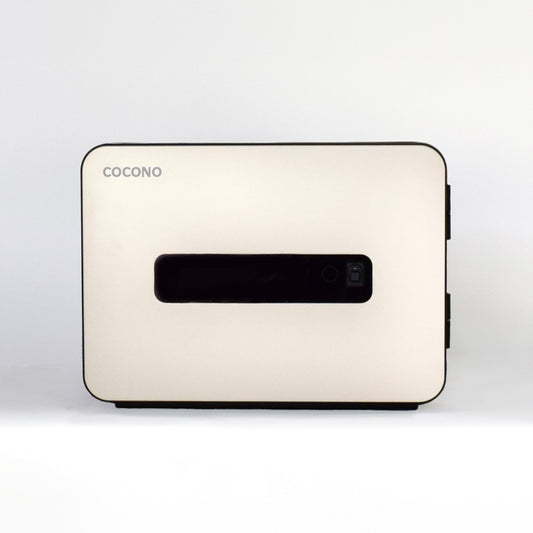
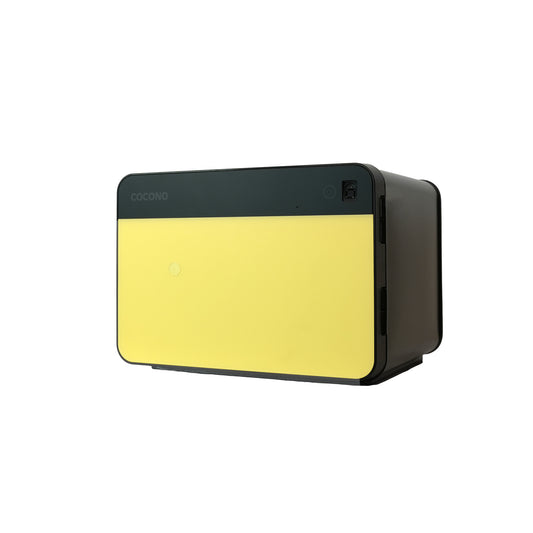
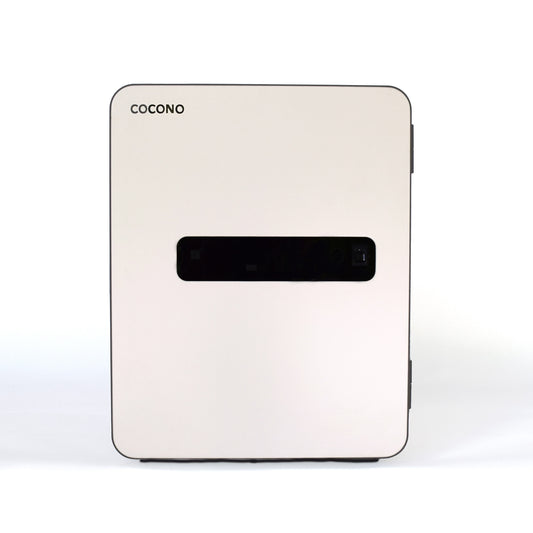
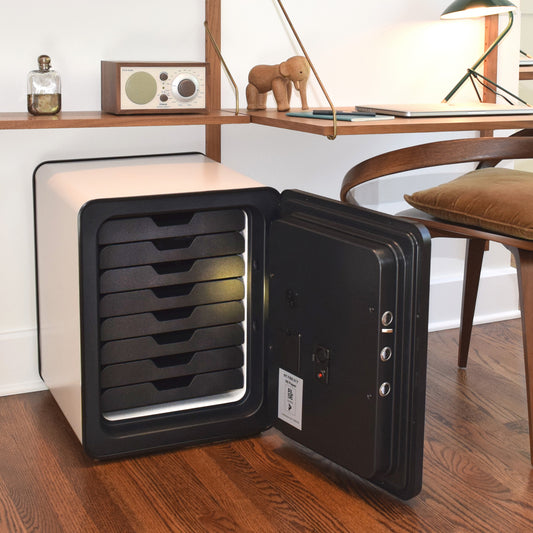
Cocono Safes bucked this trend by developing a novel shipping method, enabling home delivery of heavy safes.
3.5 Sustainability and Material Perception
While sustainability is not yet a primary purchase driver in this category, it is beginning to influence material decisions at the manufacturer level.
Emerging considerations include:
- Increased use of recycled steel
- Reduced use of environmentally harmful insulation binders
- More efficient manufacturing processes to reduce scrap
For now, sustainability messaging remains secondary to security and fire protection claims. However, as regulatory scrutiny and retailer requirements evolve, material sourcing transparency may become a more visible differentiator, especially for premium brands.
3.6 Implications for Future Product Development
Taken together, material trends in 2025 suggest that the mini and small safe market is moving toward smarter material deployment rather than heavier construction.
Key implications heading forward include:
- Continued refinement of composite fire insulation
- Strategic steel reinforcement over uniform thickness increases
- Greater emphasis on water sealing and corrosion resistance
- Heightened sensitivity to shipping weight and logistics costs
Manufacturers that successfully align material choices with specific use cases – rather than attempting to maximize all performance attributes simultaneously – are best positioned to compete in an increasingly crowded and cost-constrained market.
3.7 Material Innovations 5-10 Years Out
Traditional safe materials remained dominant in 2025, with the basic construction being steel + composite / multi-layer + insulative fill remaining the baseline for small safes, especially if fire or heat resistance is desired.
- Steel sheet (mild or alloy steel): This remains the workhorse for bodies, doors, hinges, and locking-bolt assemblies. High-tensile or hardened steel variants are often used around locking mechanisms to improve resistance to drilling or prying.
- Multi-layer/ composite construction: Many small safes still rely on an outer shell of steel, possibly an inner shell, and internal layers (fill) for fire or thermal protection.
- Fire-insulating fill materials for fire-rated safes: For safes claiming fire resistance, materials such as ceramic fiber, vermiculite, perlite, gypsum-based compounds (or similar heat-resistant fillers) are used between steel shells to slow heat transfer and protect contents.
Looking further into the future, new technologies in a few different categories dominate the emerging / growing material trends for small and mini safes:
Advanced fire-resistant insulation & layered fireproofing materials
- Fire-resistant safes will increasingly use specialized insulation materials: not just plaster or gypsum but ceramic fiber and high-temperature insulating composites to improve fire resistance.
- Layering traditional materials with new insulative materials will be especially relevant as small safes are used to protect contents with varying heat requirements, such as sensitive electronics.
Composite / hybrid construction (steel + alternative materials)
- Some safes already blend steel shells with concrete or cement-based cores, or embed insulating/FSM (fire-safe material) layers between steel shells. This gives a balance between burglary resistance, fire protection, and weight/mass. Expect to see this increase going forward.
- As material science improves, expect more variants: perhaps composite shells with internal ceramic or refractory layers, or multi-material “sandwich” walls that combine steel, insulation, and impact-absorbing cores.
Sustainable / eco-conscious materials & coatings
- There is a broader push in home-safety and consumer goods toward eco-friendly materials or processes, e.g. low-VOC coatings, recycled steel, non-toxic fireproofing, or recyclable components.
- For environmentally conscious consumers, this could mean more safes with recycled steel shells, non-toxic insulation, or eco-certified finishes.
Coatings, surface treatments, and non-structural design innovations
- Instead of relying solely on thick steel for security, there’s a trend toward special coatings, hardened plates near lock areas, drill-resistant steel inserts or plates, combined with lighter body steel.
Trade-offs & Challenges with New Materials
- Cost: Advanced materials like ceramic fiber insulation or composite shells are significantly more expensive than current construction techniques. This substantial increase in cost may limit adoption.
- Manufacturing complexity: Composite/foam-metal cores or multilayer walls complicate production: require new tooling, testing (heat, impact), and potentially different certification regimes, raising the barrier to entry.
- Certification & standards compliance: Especially for fireproof safes – new materials need to be tested before being accepted broadly. Legacy certification frameworks expect certain constructions (steel + fill), so newer composites may delay certification or require new testing protocols.
4. Locking and Access Technology Trends
Locking and access technology has become the most visible point of differentiation in the mini and small safe market. In 2025, access technology innovation was driven less by radical new mechanisms and more by refinement, reliability, and integration with existing material and design constraints.
4.1 Mechanical Locks: Stability in a Mature Segment
While traditional mechanical locks - including key locks and combination dials - remain in use, consumers are increasingly demanding electronic and/or biometric access to their safes. Electronic locks have become increasingly popular, especially in situations where quick access is the most desirable quality in a lock.
4.2 Electronic Keypad Locks: The Market Baseline
Electronic keypad locks represented the dominant access technology in the mini and small safe market in 2025. They were widely adopted across price tiers because they balance cost, usability, and compatibility with diverse material constructions.
From a materials perspective, keypad locks:
- Require minimal internal clearance
- Integrate easily with both thin and reinforced steel doors
- Allow flexible placement of locking bolts and reinforcement plates
Their widespread adoption also aligns with the broader trend of consumers valuing familiar interfaces, simplicity, and clear digital feedback. As manufacturers seek to manage costs under fluctuating tariff pressure, keypad locks remain a reliable and scalable solution.
4.3 Biometric Access: Growth with Constraints
Biometric locking systems, particularly fingerprint recognition, continue to grow in visibility and adoption, but their integration remains constrained by both material design and consumer trust considerations.
Biometric safes are most strongly associated with use cases requiring fast, repeat access, such as firearm storage or personal valuables. However, these systems impose additional requirements on materials and internal layout, including:
- Space for sensors and control boards
- Protection against vibration and shock
- Moisture and temperature isolation from insulation materials
In 2025, most biometric safes relied on capacitive fingerprint sensors, which offer a balance between cost and performance.
4.4 Overview of Biometric Technologies Used in Safes
Biometric safes today rely primarily on fingerprint recognition, but a few additional technologies exist or are emerging. These fall into four categories:
· Capacitive Fingerprint Sensors
Where used: Home, office, and pistol safes
How it works
A capacitive sensor uses electrical current to detect the tiny “ridges and valleys” of a fingerprint. Instead of taking an optical picture, it measures electrical changes in contact points to build a fingerprint map.
Strengths
· Fast (often <1 second unlock).
· Harder to spoof than early optical sensors.
· Works well on compact, low-power systems (battery-powered safes).
· Accessible price point
Weaknesses / failure modes
· Performance drops when fingers are cold, wet, sweaty, oily, or very dry. Older consumers may also find that their fingerprints lack sufficient definition to be reliably recognized.
· Can degrade in reliability over time if the sensor is exposed to dust or abrasion.
Where you’ll see them
Many biometric safes use capacitive sensors, especially “quick access” bedside and firearm safes.
· Optical Fingerprint Sensors
Where used: Similar to capacitive technology - home, office, and pistol safes
How it works
An optical sensor captures a visual image of the fingerprint using light, then analyzes ridge patterns.
Strengths
· Reliable technology found in many industries.
· Easy to integrate.
Weaknesses / failure modes
· Print needs to be located on the sensor consistently.
· Can be affected by ambient light or scratched surfaces.
· Can be impacted by environmental factors, such as dust and humidity
Where you’ll see them
Often found in home, office and pistol safes.
· Semiconductor / Thermal Fingerprint Sensors (Higher-End, Emerging in Safes)
Where used: Some newer “premium” compact safes and specialty quick-access handgun safes.
How it works
A thermal sensor detects temperature differences between fingerprint ridges (which touch the surface and warm it) and valleys (which do not). Some semiconductor sensors combine heat-sensing with pressure and capacitance mapping.
Strengths
· Very accurate at detecting real skin contact.
· Good for high-security quick-access devices.
Weaknesses
· High cost, therefore not widely used.
· Can have issues with extremely cold or newly injured/damaged fingers.
Where you’ll see them
Some quick-access firearm safes and high-end consumer biometric models are beginning to integrate this technology, but it is not widely used.
· Multispectral / 3D Fingerprint Imaging (Cutting-Edge, Rare in Safes)
Where used: Primarily law-enforcement scanners and enterprise access control. Just starting to appear in very high-end or specialized safes.
How it works
Multispectral sensors read fingerprint details below the skin surface using various wavelengths of light, capturing a 3D profile.
Strengths
· Extremely high accuracy.
· Very resistant to spoofing (reads subsurface structures).
· Works even with dirty, oily, or aging skin.
Weaknesses
· Very expensive and therefore uncommon in consumer safes.
· Requires more power and processing.
Where you’ll see it
Occasionally in luxury safes or commercial systems, but not standard for home safes.
· Future Technologies
Facial Recognition, Iris/Retina Scanning, and Vein Pattern/Palm-Vein Biometrics are all emerging technologies not yet available in consumer safes. Expect to see further development of these types of biometrics in the next 3-7 years.
· Hybrid and Redundant Access Systems
Hybrid locking systems have become increasingly common, particularly in mid-tier and premium compact safes. These systems reflect a broader industry acknowledgment that no single access technology fully satisfies all use cases.
Typical configurations include:
· Biometric + keypad
· Keypad + mechanical override
· Biometric + mechanical override
From a material standpoint (see Section 4.1), hybrid systems often require reinforced doors to accommodate multiple access components without compromising rigidity. This reinforces the material trend toward thicker or multi-layer doors discussed earlier. Hybrid systems also align with consumer expectations. Cocono Fire Safes offer a unique combination of biometric + keypad + mechanical override, for optimal redundancy.
4.5 Power Management and Failure Considerations
Power dependency is a defining characteristic of electronic and biometric safes. In 2025, most systems relied on standard alkaline batteries, with limited adoption of rechargeable or hardwired solutions. External battery access ports are increasingly common to prevent lockouts. Additionally, manufacturers continue to emphasize emergency access options to mitigate consumer anxiety around electronic failure. Certain safe companies, such as Cocono Safes, provide external power packs with safes to ensure that power outages do not pose a problem for consumers.
5. Certification, Testing, and Compliance Landscape
Certifications and compliance standards serve as third-party validation of claims that consumers cannot easily verify themselves. However, misunderstandings abound regarding the quality and importance of these tests, with people often relying on ratings and reviews, rather than certifications or technical material specifications.
5.1 Fire Resistance Certifications
Fire protection remains the most common certified performance attribute for mini and small safes. The most widely recognized standards in the U.S. market are administered by UL (Underwriters Laboratories) and ETL (Intertek), closely followed by KS and RISE certifications.
All of these certifications typically evaluate:
· Internal temperature thresholds over time
· Structural integrity during fire exposure
· Performance under controlled test conditions
As noted previously, fire certification strongly influences material selection, particularly insulation type and thickness. Achieving even a 30-minute fire rating imposes strict constraints on internal construction, door sealing, and insulation placement. Increasingly, consumers require greater than 30 minutes of protection, and seek out 60 or 90 minutes. Greater scrutiny by consumers of vague or unverified “fireproof” claims also increased in 2025, a trend expected to accelerate in the future.
5.2 Water Resistance
Water protection testing is convoluted across the industry. Many manufacturers rely on in-house testing protocols or limited third-party validation rather than universally recognized certifications. Standardized testing protocols, such as those required for Ingress Protection (IP) Ratings are starting to be used by certain safe manufacturers, such as Gardall Safe Corporation, but as of 2025 they have not been universally adopted.
Common claims include:
· Waterproof up to a specific depth
· Water resistant for a defined duration
· Protection against sprinkler systems or flooding
Achieving credible water resistance requires material and design tradeoffs. This, combined with the lack of consistent certification standards, has led to variation in claim quality which contributes to consumer skepticism.
Looking into 2026, increased retailer and regulatory pressure may push manufacturers toward more transparent or standardized water resistance disclosures.
5.3 Security and Burglary Resistance Standards
Formal burglary resistance certifications are rare in the mini and small safe category. Most recognized burglary standards apply to larger, heavier safes intended for commercial or high-security use. As a result, the absence of burglary certification in this category of safe leaves consumers with very little quantitative data with which to differentiate between safes.
6. Manufacturing and Supply Chain Shifts
Manufacturing strategy has become a central variable in the mini and small safe market, influencing cost structure, material choices, certification pathways, and product availability. In 2025, manufacturers operated in an environment shaped by tariffs, logistics volatility, and increasing compliance complexity – factors that directly affect product design decisions discussed in the previous sections.
Rather than a wholesale relocation of production, the industry is experiencing incremental, risk-mitigating shifts in how and where safes and safe components are produced.
6.1 Geographic Manufacturing Footprint
Although China remained a dominant manufacturing hub for mini and small safes in 2025, tariff exposure has led many manufacturers to diversify certain stages of production. This diversification most commonly takes the form of:
· Component sourcing from multiple countries
· Partial assembly location diversification
· Region-specific product variants
Southeast Asia - particularly Vietnam and Thailand - has emerged as a secondary manufacturing base for lock components, electronic modules, and light metal fabrication, though full safe production remains limited due to infrastructure and compliance constraints.
South Korea has an established reputation for manufacturing quality safes, and has continued to produce safes for a global market through 2025 and into the future. Very limited manufacturing of safes still occurs within the United States.
6.2 Tariffs and Cost Pressure
Tariffs continue to exert pressure on home safe manufacturers. In this market, costs are either passed on to consumers, or lead to downstream impacts on materials and features.
Observed responses in 2025 include:
· Greater reliance on material optimization rather than thickness increases
· Selective reduction of non-essential features
Tariff uncertainty has also shortened planning horizons, with manufacturers prioritizing modular designs that can be adapted to shifting cost structures.
6.3 Component-Level Sourcing Strategies
Rather than relocating entire factories, many manufacturers have adopted component-level diversification strategies.
Common examples include:
· Sourcing electronic locks and biometric modules separately from steel enclosures
· Procuring insulation materials from multiple suppliers
· Decoupling lock assembly from final safe assembly
This approach provides flexibility but increases integration complexity. As noted in this article, access technology must be carefully aligned with material constraints, and fragmented sourcing can increase quality-control risk if not tightly managed.
6.4 Certification and Compliance Implications
Supply-chain diversification directly impacts certification strategy. Products assembled across multiple locations may:
· Require additional documentation for UL, ETL, KS, or RISE testing
· Face longer certification timelines
· Need design adjustments to meet electrical or safety compliance standards
As discussed previously, certification increasingly functions as both a compliance requirement and a market signal. Manufacturers must balance the cost and complexity of re-certification against the commercial value of recognized testing marks.
6.5 Implications for 2026 Manufacturing Strategy
Looking ahead to 2026, the mini and small safe industry is likely to continue prioritizing supply chain resilience.
Key manufacturing implications include:
· Incremental expansion of component sourcing
· Closer integration between design, materials, and certification planning
· Increased emphasis on modular, adaptable product architectures
Manufacturers that align supply-chain decisions with material efficiency access technology reliability, and certification strategy will be better positioned to manage volatility while maintaining product credibility in a competitive market.
7. Competitive Landscape and Product Positioning
The mini and small safe market in 2025 was characterized by high brand density, an increasing proliferation of minimally secure lockboxes marketed as "safes," and increasing segmentation by use case and price.
7.1 Market Tier Segmentation
Competition in the mini and small safe category is best understood through three broad pricing and feature tiers.
Entry-Level Segment
Entry-level products emphasize affordability and accessibility. These safes typically feature:
· Thin-gauge steel construction
· Mechanical or basic electronic locks
· Limited or no certified fire protection
In this tier, differentiation is minimal, and competition is driven primarily by price, availability, and review volume. Although they are available at an accessible price point, they provide very limited protection.
Mid-Tier Segment
The mid-tier represents the largest and most competitive portion of the market. Products in this segment typically combine:
· Steel shells with layered fire or water-resistant materials
· Electronic keypad or keypad access systems
Manufacturers in this segment compete using subjective descriptors and mid-range features to justify moderate price premiums. Design efficiency and supply-chain optimization are critical.
Premium Compact Segment
Premium compact safes emphasize build quality, design refinement, and brand credibility. These products often feature:
· Reinforced or multi-layer steel construction
· Hybrid or biometric access with redundancy
· Third party certifications or international testing references
7.2 Differentiation Strategies
Across all tiers, manufacturers employ a limited but consistent set of differentiation strategies.
Materials-Led Positioning
Some brands emphasize steel thickness, reinforcement, or insulation performance as primary value propositions. This strategy aligns closely with the material optimization trends described previously, but requires careful communication to avoid consumer confusion over technical specifications.
Technology-Led Positioning
Other manufacturers lead with access technology, particularly biometric or hybrid systems. These features often serve as visual and functional cues of security, even when underlying material differences are modest.
Certification-Led Positioning
Certifications remain one of the strongest trust signals in a crowded market. Products displaying UL, ETL, KS, or RISE certifications are often positioned as safer or more legitimate, even when competing products offer similar construction.
Cocono Safes prioritized all three approaches, combining premium materials with top tier access technologies, backed by respected third party certification.
8. 2026 Outlook & Conclusion
The mini and small safe industry entering 2026 is defined not by radical disruption, but by incremental refinement. Products are becoming better optimized for real-world residential use, even as price pressure, tariffs, and shipping constraints limit how far manufacturers can push materials and construction without raising costs.
For consumers, this means the “best” safe is the one that suits their individual needs; value comes from alignment between design intent and actual use. Fire protection remains the single most critical performance factor for most households, particularly for document storage. Verified fire certifications—whether UL, ETL, KS, or RISE—provide meaningful reassurance when understood correctly.
Access technology continues to improve, but no single system is perfect, leading savvy brands to integrate hybrid systems. Electronic keypads offer balance and reliability, while biometric access delivers speed at the cost of added complexity. The industry’s move toward redundant entry systems reflects a mature understanding that safe access must function across a wide range of conditions, not just ideal ones.
Material trends suggest that future gains will come from intentional engineering. Reinforced doors, improved insulation chemistry, better sealing, and modular internal layouts will shape the next generation of mini and small safes more than dramatic changes in steel thickness or form factor.
Ultimately, the mini and small safe market in 2025–2026 rewards informed buyers. Consumers who understand fire ratings, construction tradeoffs, and access technology limitations are better positioned to choose a safe that provides appropriate protection.
As awareness continues to grow, the industry’s success will depend less on marketing claims and more on transparency, education, and trust.