



Most people buy a fireproof safe for the obvious reasons — jewelry, cash, a watch that meant something to someone. But ask any homeowner who's been through a house fire, a flood, or even just a chaotic move, and they'll tell you the thing they scrambled hardest to replace wasn't the jewelry. It was the paperwork.
A birth certificate, a deed, a will nobody could find - these documents are slow and expensive to replace, and in some cases (like an original will) they may not be replaceable at all. If you're setting up a fireproof safe at home, here's a full checklist of what belongs inside, organized by category so you can work through it in one sitting.
Identity documents
These are the documents you'd need first if you had to prove who you are, rebuild your life after a natural disaster, or travel on short notice. Not all of these are relevant for everyone, so if an item doesn't pertain to you, skip it and move on.
- Birth certificates (for every member of the household)
- Passports
- Social Security cards
- Green cards or visas
- Marriage certificate
- Divorce decree
- Adoption papers
- Military discharge papers (DD-214)
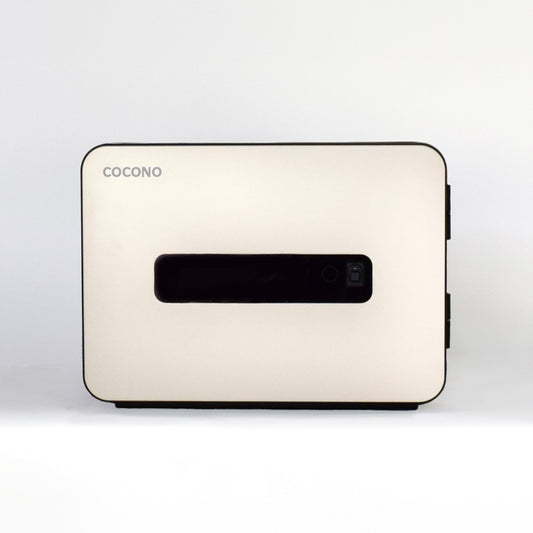
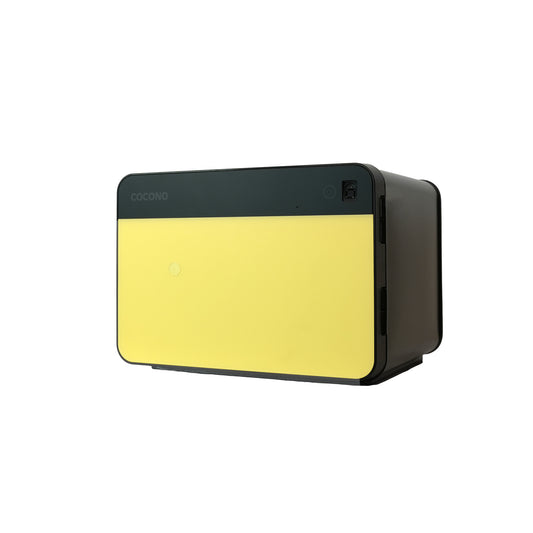
A note on passports: if you or a family member travels often, weigh convenience against protection. A small safe with quick biometric and keypad access - like the Cocono Classic 20 Safe or Chroma 15 Mini Safe - solves this well, since you get real fire protection in a compact footprint that can be installed in a convenient location.
Property and legal documents
These are the documents that prove ownership or establish legal rights, and they're often the hardest and slowest to replace.
- House deed or title
- Mortgage documents
- Vehicle titles
- Car and home lease agreements
- Property surveys
- Home renovation permits and records
- Business formation documents (LLC/incorporation paperwork), if applicable
Estate planning documents
This category deserves special attention, because in many states, an original signed will is required for probate - a copy isn't enough. If the original is lost, your family may need to go to court just to prove your wishes.
- Last will and testament (original, signed copy)
- Living will / advance healthcare directive
- Power of attorney documents
- Trust documents
- A letter of instruction to your executor or family, noting where other documents and / or accounts are located
Financial documents
Banks and brokerages can usually reissue lost statements, but having originals and key records on hand saves real time during tax season, when filing a loan application, or after a loss.
- Stock and bond certificates (if not held electronically)
- Savings bonds
- Recent tax returns (generally recommended to keep for 3-7 years, depending on the institution)
- Loan and debt agreements
- A list of financial accounts, account numbers, and institutions
- Safe deposit box inventory, if you keep one elsewhere
- Bitcoin or cryptocurrency passwords
Insurance and medical documents
- Homeowners or renters insurance policy
- Life insurance policy
- Auto insurance policy
- Health insurance cards and policy details
- Jewelry or valuable-item insurance riders and appraisals
- Immunization and major medical records
Household and personal records
- Appraisals for valuables (art, jewelry, collectibles)
- Warranty documents for major purchases
- A home inventory list or video (useful for any insurance claim)
- USB drive or memory card with scanned copies of everything above
Best practices when using a safe
Following a few tips will help keep everything running smoothly when using a home fire safe for secure storage:
-
Open your safe monthly. There are a few of reasons to do this. Firstly, it allows you to make sure you remember your passcodes. Secondly, a safe is a sealed compartment. Opening it regularly enables airflow throughout the safe to avoid any mustiness. Thirdly, it serves as a reminder to replace batteries if needed. While all Cocono fireproof safes come with a backup power source in case the batteries run out before you are able to replace them, you can avoid needing the extra few minutes it takes to open the safe with the backup power by ensuring your safe has fresh batteries installed.
- Store your passcodes in a secure location and set up passcodes and fingerprint codes. Having multiple ways to enter your safe will ensure you always have access when you need it. While you can always use the Override Keys to the safe if necessary, you can almost always avoid it by setting up different ways to open the safe. Read more about the fingerprint scanners on our safes here.
- Keep digital back-ups. A safe protects the physical original, but a scanned PDF stored securely in the cloud is a good backup in case your safe is ever compromised.
A simple way to organize it
Once you've gathered everything on this list, resist the urge to just pile it in. A few minutes of organizing now saves real stress later:
- Group by category — identity, property, estate, financial, insurance — using labeled folders or envelopes.
- Keep your will and estate documents together and easy to find, since these are often needed under time pressure.
- Tell one trusted person where the safe is and how to open it. A fireproof safe only helps your family if someone can access it when it matters.
- Revisit the contents once a year. Insurance policies renew, wills get updated, and old documents (an expired passport, a paid-off loan) can come out to make room.
Choosing a safe that fits this list
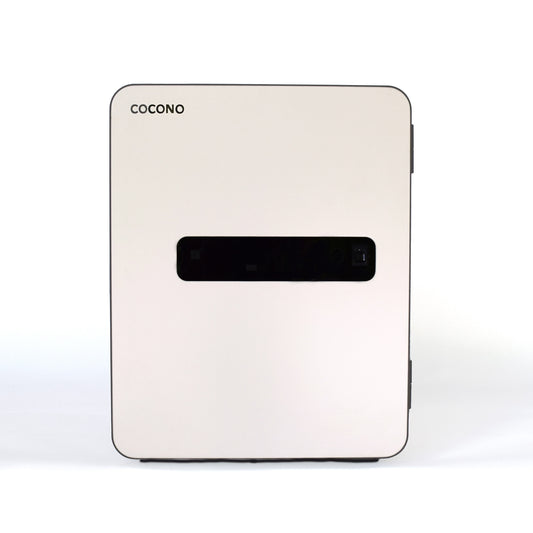
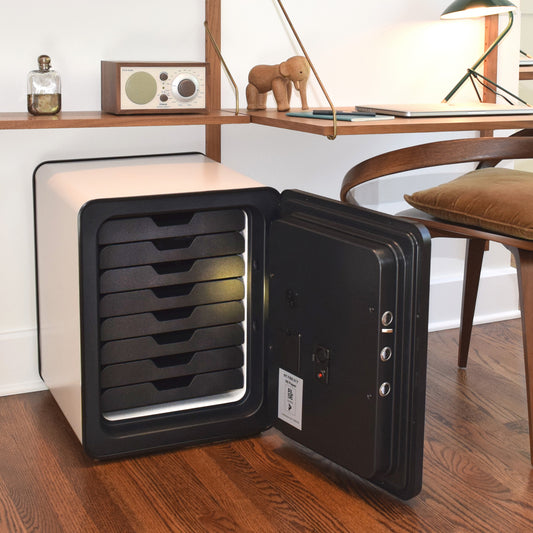
To protect paper documents, look for a safe independently tested to a real fire standard (Cocono's Classic and Chroma 20 and 40 safes are tested to the NT 017 – Paper 90 standard by the RISE Research Institute of Sweden, keeping interior temperatures below the point paper chars for a full 90 minutes) and sized for folders of documents rather than a single stack. Our Classic 40 Medium Size Safe comfortably fits 3 ring binders and folders alongside jewelry or valuables, while the Classic 20 Small Safe or Chroma 15 Mini Safe are better suited for smaller sets of curated essentials - passports, a will, and a handful of certificates - in a space that doesn't dominate a closet or office.
If you're not sure how much space you actually need, our size guide for comparing small and medium fireproof safes can help you identify what you need before you buy.