



When shopping for a home safe, a critical decision is choosing the right lock. With advances in technology, homeowners now have many safe lock types to choose from—including traditional keypad locks and newer biometric options – leaving many consumers with the same question: are biometric safes actually safer than password safes?
The answer isn’t entirely straightforward. Each lock has strengths and limitations, and understanding the different types of safe locks can help you decide what works best for your home and specific situation. It’s also important to keep in mind that there is a wide range of variability in the quality of locks within categories. One digital keypad lock, for instance, might be incredibly robust and last for decades, while another becomes unreliable immediately once it’s installed in your home. When identifying the right safe for you, keep the price in mind. Many unreputable brands sacrifice lock quality to cut costs.
Understanding Keypad Password Safes
A password safe typically uses a keypad that requires a string of numbers—similar to entering a PIN code—to unlock the door. In the world of types of locks for safes, this is often referred to as a digital keypad lock.
Keypad locks are one of the most widely used safe locks for home security because they offer several advantages:
Benefits of keypad locks on password safes:
- Reliable technology: Digital keypads have been used in safes for decades and are well-tested.
- Easy to change codes: You can update the code whenever you want without replacing the lock.
- Multiple users: Some systems allow several different codes for different household members.
- Stable performance: They are generally less sensitive to environmental factors than biometric options.
However, password safes do have a few drawbacks. If someone learns your code—or if you forget it—you may need to reset the system or use a backup method. They are also generally slower to open than a safe with a biometric lock, because you have to enter the entire code as opposed to placing a finger on a scanner.
Understanding Biometric Locks on Safes
The vast majority of biometric safes use fingerprint recognition to unlock. Instead of entering a code, you simply place your finger on a scanner and the safe opens if the fingerprint matches one stored in the system.
Among modern safe lock types, biometric systems are often considered the most convenient.
Advantages of biometric safe locks:
- Fast access: Opening a safe can take less than a second.
- No codes to remember
- Extremely difficult to impersonate a registered user as compared to a numeric PIN
For quick access—especially for things you use regularly—biometric locks can be extremely convenient.
Limitations of Biometric Locking
Despite the appeal of fingerprint access, biometric locks are not perfect. Environmental conditions and even human biology can sometimes affect their performance.
Common limitations include:
1. Humidity and temperature sensitivity
Fingerprint scanners rely on reading small ridge patterns in your finger. Extreme humidity, moisture, or temperature changes can affect how clearly those ridges are detected.
2. Fingerprint variability
Not everyone has highly distinct fingerprints. Some individuals—particularly older adults or people who work with their hands—may have fingerprints that are harder for scanners to read consistently.
3. Skin conditions or injuries
Dry skin, cuts, or dirt on a finger can prevent the scanner from recognizing a stored print.
For these reasons, many security experts recommend using biometric locks alongside another locking method, in a system called hybrid locking.
Why Hybrid Locks Are the Best Option
Rather than choosing between biometrics or passwords, many homeowners now prefer hybrid locking systems that combine both technologies.
Hybrid safes allow you to unlock the safe either by fingerprint or by entering a code on a keypad. This approach offers the best of both worlds:
- Speed and convenience with biometric access
- Reliability and backup with a keypad password
- Flexibility for multiple users
In other words, hybrid locks eliminate many of the weaknesses associated with relying on only one type of locking system.
A Modern Example: Cocono Safes
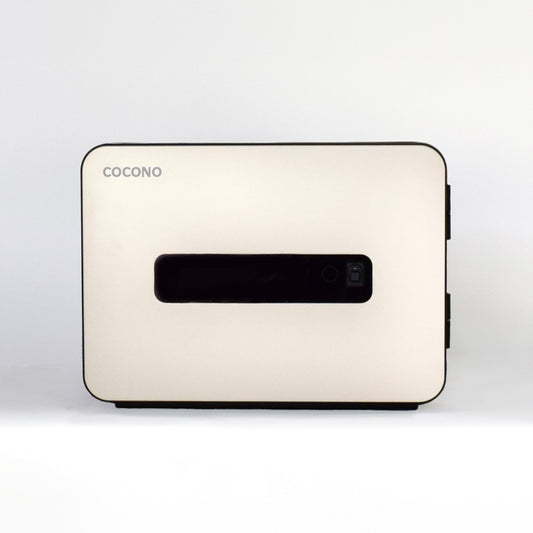
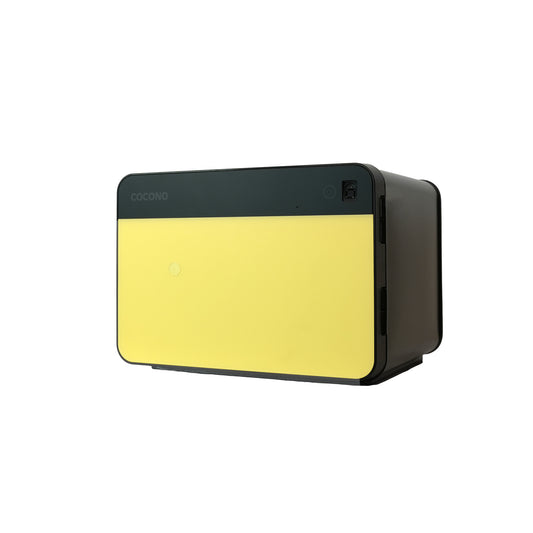
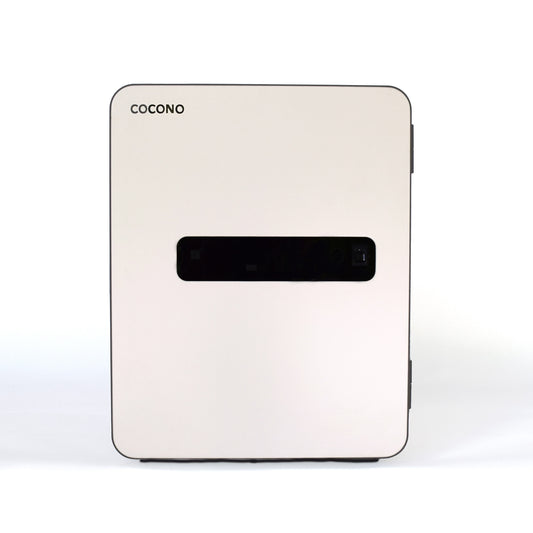
For homeowners looking for a stylish and functional safe, Cocono Safes offer a great example of how hybrid technology works in practice.
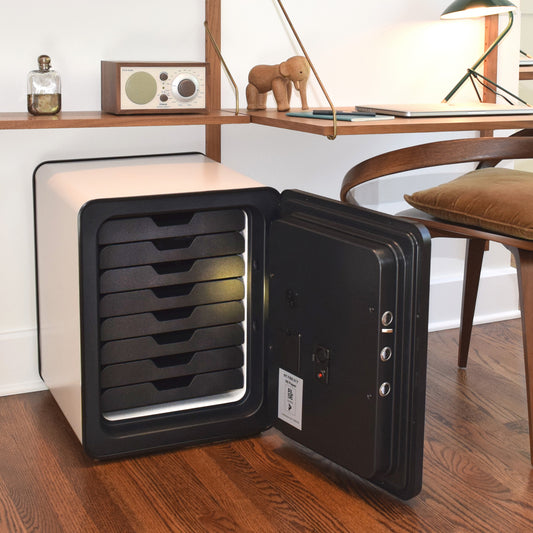
Cocono fire resistant models are designed with both biometric fingerprint scanners and digital keypad entry, allowing users to open their safe using whichever method is most convenient. This makes them a strong option for modern homes—especially for people who want security without sacrificing ease of access. These Cocono Safes also come with an emergency mechanical key override for additional peace of mind.
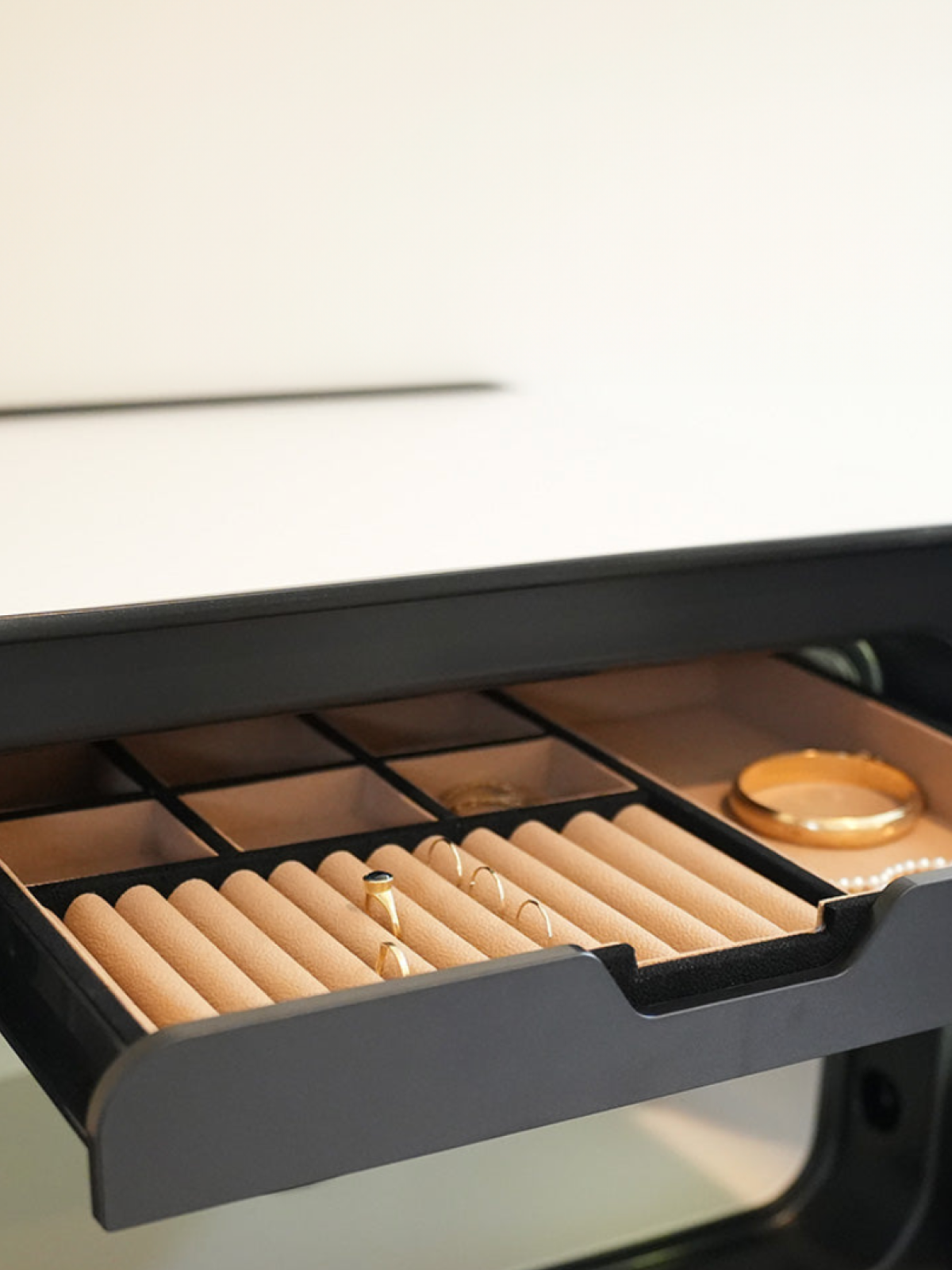
Cocono safes are particularly popular among homeowners looking for luxury jewelry safe home solutions that combine security with thoughtful interior organization and modern design.
The Bottom Line
When comparing different types of safe locks, neither biometric nor keypad password systems are perfect on their own.
- Keypad password safes offer proven reliability and consistent performance.
- Biometric safes provide quick and convenient access.
- Hybrid locks combine the strengths of both technologies.
For most homeowners, the most convenient and secure solution is a safe that includes both a keypad password and biometric access. Hybrid systems provide redundancy, flexibility, and peace of mind—making them one of the smartest choices among modern types of locks for safes.
If you're investing in a safe to protect valuables like jewelry, documents, or heirlooms, choosing a hybrid system can give you the security of multiple safe locks working together.
Note
To narrow the focus of this article, we did not address mechanical combination locks or traditional key locks, which we will get into at a later date. We also left out details surrounding various types of biometric locks. To read about the landscape of biometric technology, we recommend reading section 4.4 of our industry report on small and medium sized safes.